What is the Winged Lion?
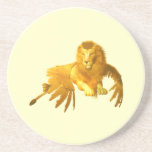
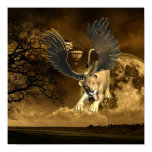
The Winged Lion is one of the most powerful and enduring symbols in the history of mythology and heraldry. A lion — already the undisputed king of beasts — given wings that allow it to soar above earthly limitation: the result is a creature that represents the perfect union of terrestrial power and divine freedom.
Winged lions appear across an extraordinary range of ancient cultures. In Mesopotamia they guarded the gates of palaces and temples. In Persia they embodied royal sovereignty. In Venice, the Lion of Saint Mark became one of the most recognisable symbols in Western art. In medieval heraldry, the winged lion stood for courage, nobility, and the authority granted by heaven.
Did You Know?
The Lion of Saint Mark — the symbol of Venice — is a winged lion holding an open book. When the book is open it signifies peace; when closed, it signifies war. This distinction was taken extremely seriously by the Venetian Republic.
Winged Lions Across Cultures
Symbolism & Meaning
The lion alone represents earthly kingship, courage, and fierce protection. Wings elevate that symbolism into the divine realm — the creature is no longer bound by the earth and can travel between worlds. In Christian iconography, the winged lion is the symbol of Saint Mark and represents the Resurrection. In esoteric traditions, the winged lion embodies the alchemical ideal of perfected strength: power made noble by wisdom.
The Winged Lion Today
The winged lion remains a potent symbol in heraldry, architecture, fantasy literature, and art. From the stone guardians of ancient Babylon to the golden lions atop Venetian columns, these magnificent creatures continue to inspire awe. In modern fantasy, winged lions frequently appear as mounts of heroes or guardians of sacred places — their ancient authority undiminished across three thousand years of storytelling.