What are Pixies?
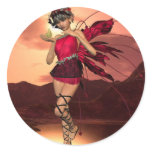
Pixies are small, mischievous supernatural creatures rooted in the folklore of Devon and Cornwall in southwest England. They are among the most distinctive of British fairy folk — typically depicted as tiny beings with pointed ears, upturned noses, and a weakness for causing harmless havoc among humans.
Unlike the grand and ancient Fae of Ireland, pixies are intimately connected to the landscape of the English moors. They are said to inhabit stone circles, ancient barrows, and wild heath, dancing in rings that leave circles of discoloured grass — the famous "pixie rings" still visible in the West Country today.
Did You Know?
Being "pixie-led" — led astray by a pixie until hopelessly lost — is a genuine piece of West Country folklore. The traditional remedy was to turn your coat inside out to break the pixie's spell.
Pixie Lore & Legends
Pixies are fond of horses, which they ride at night through the fields, returning them exhausted and tangled-maned come morning. They steal babies, borrow needles and thread, and delight in sending travellers in circles. But they also have a kinder side: helpful pixies have been known to assist hardworking farmers and reward those who leave out offerings for them.
In some traditions, pixies are the souls of unbaptised children or the spirits of a pre-Christian people diminished by time. Their connection to the ancient dead gives them an air of melancholy beneath the mischief.
Famous Pixies in Folklore
Pixies in Modern Culture
Pixies have had an enormous influence on fantasy and popular culture. Tinker Bell from J.M. Barrie's Peter Pan draws heavily on pixie tradition. The word "pixilated" — meaning confused or whimsical — derives directly from the pixie's reputation for muddling human minds. Today pixies appear in countless games, books, and films as the quintessential small, winged, magical troublemaker.