Deep in a crevice in the rocky mountains that now border France and Spain, a swarthy, ugly race of fairies came into being. Undetected at first, the diminutive creatures spread throughout Europe, dwelling in the mossy cracks of rocks and tree roots. Finding humans, they ventured into villages. Hiding away on boats, they made their way to England. As people began to spot them, their reputation grew — ill-mannered, poorly-behaved, with putrid breath, goblins began to populate stories and folklore across the continent.
Origins
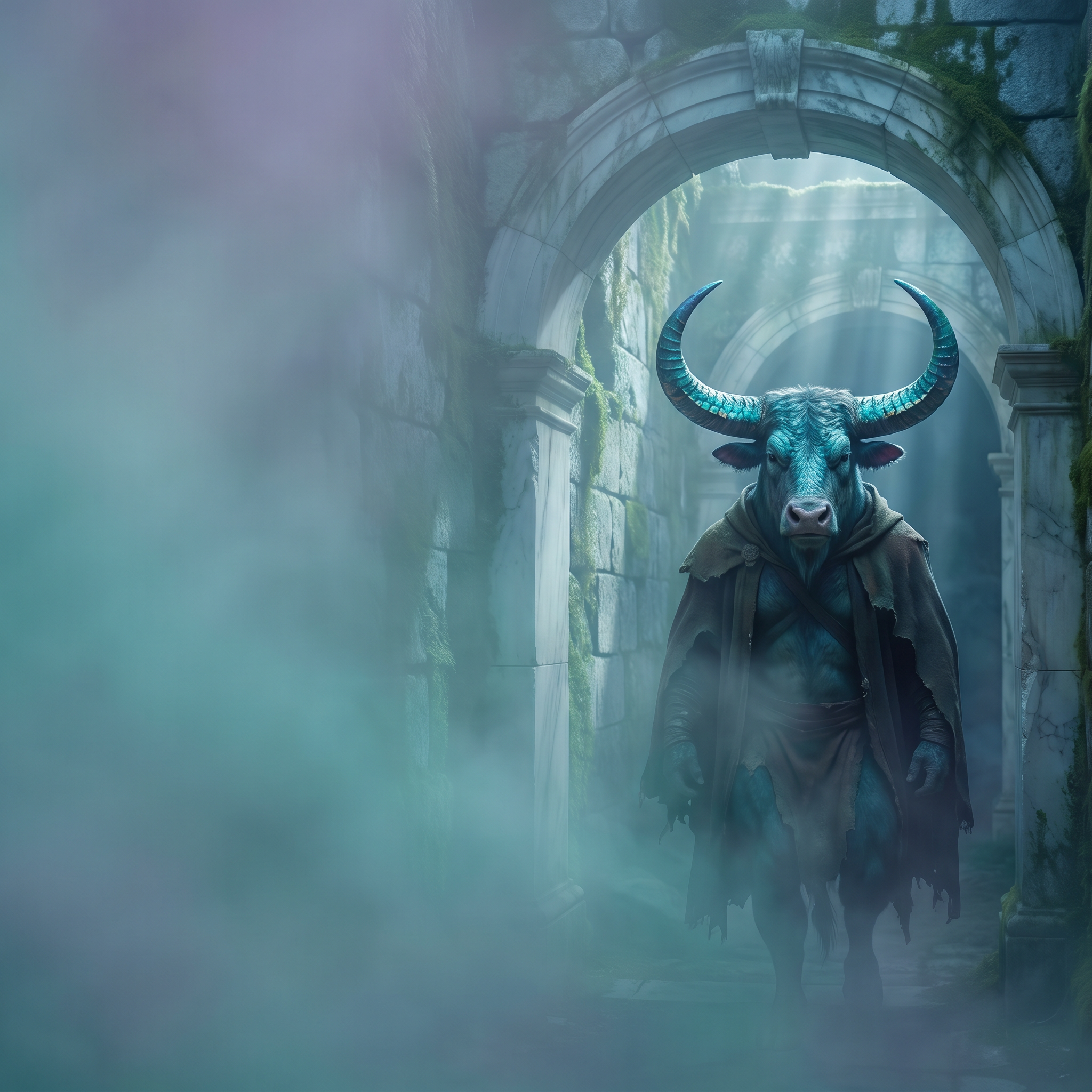
The word "goblin" may derive from the French "gobelin" — the name of a mischievous spirit said to haunt the town of Évreux in Normandy during the Middle Ages. These beings were believed to be neither fully of the fairy world nor of the mortal world, occupying a strange twilight realm between the two.
Unlike the beautiful Sídhe of Irish legend or the graceful Light Elves of Norse mythology, goblins were always associated with the darker, wilder side of nature — the damp cave, the gnarled root, the fog-shrouded moor at midnight.
Varieties of Goblins
Not all goblins are alike. Across European folklore, several distinct types emerged:
- The Boggart: A household goblin from English folklore that causes mischief — souring milk, tangling hair, and generally creating household chaos. Uniquely, moving house doesn't help: the boggart follows.
- The Redcap: A particularly fearsome Scottish goblin that dwells in ruined castles, dying its cap in the blood of travelers it murders. Only a recitation of scripture could drive it away.
- The Hobgoblin: A friendlier variety — while still mischievous, hobgoblins like Shakespeare's Robin Goodfellow (Puck) were more playful than evil. They could be won over with gifts of milk and bread.
- The Knocker: A Cornish mining goblin believed to live in mines and knock on walls to either warn of cave-ins (if friendly) or lure miners to their doom (if malevolent).
Goblins and Humans
Despite their generally fearsome reputation, many goblin tales involve a kind of grudging mutual dependence between goblins and humans. In some traditions, a house goblin would do chores for a family in exchange for a bowl of porridge left by the hearth — though woe betide the family that forgot to leave the offering or left it carelessly.
In modern fantasy literature and games, goblins have been reimagined countless times — from Tolkien's fearsome cave-dwellers to J.K. Rowling's proud and shrewd Gringotts bankers. But at their heart, the goblin remains what it always was: a reminder that the world has edges we haven't fully mapped, and things living in those edges that do not wish us particularly well.